Category: Industry News

  • Safe Dilution and Storage of Cleaning Concentrates

    Safe Dilution and Storage of Cleaning Concentrates

    Concentrated products are economical and efficient, but only when they are diluted and stored correctly.

    Dilute accurately

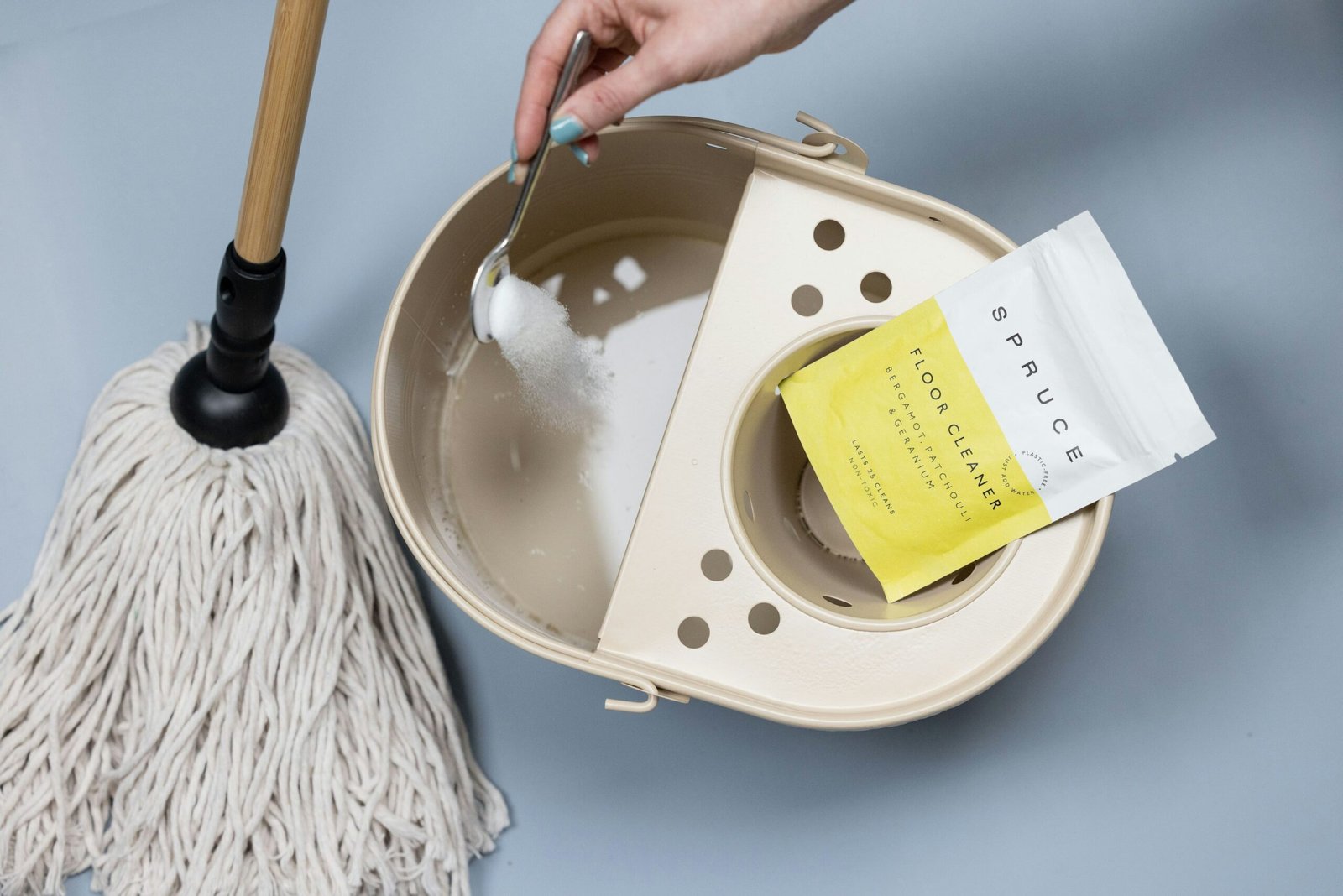
    Use measuring cups or a dosing dispenser rather than guessing. Too little product reduces performance, while too much wastes money and can leave residue.

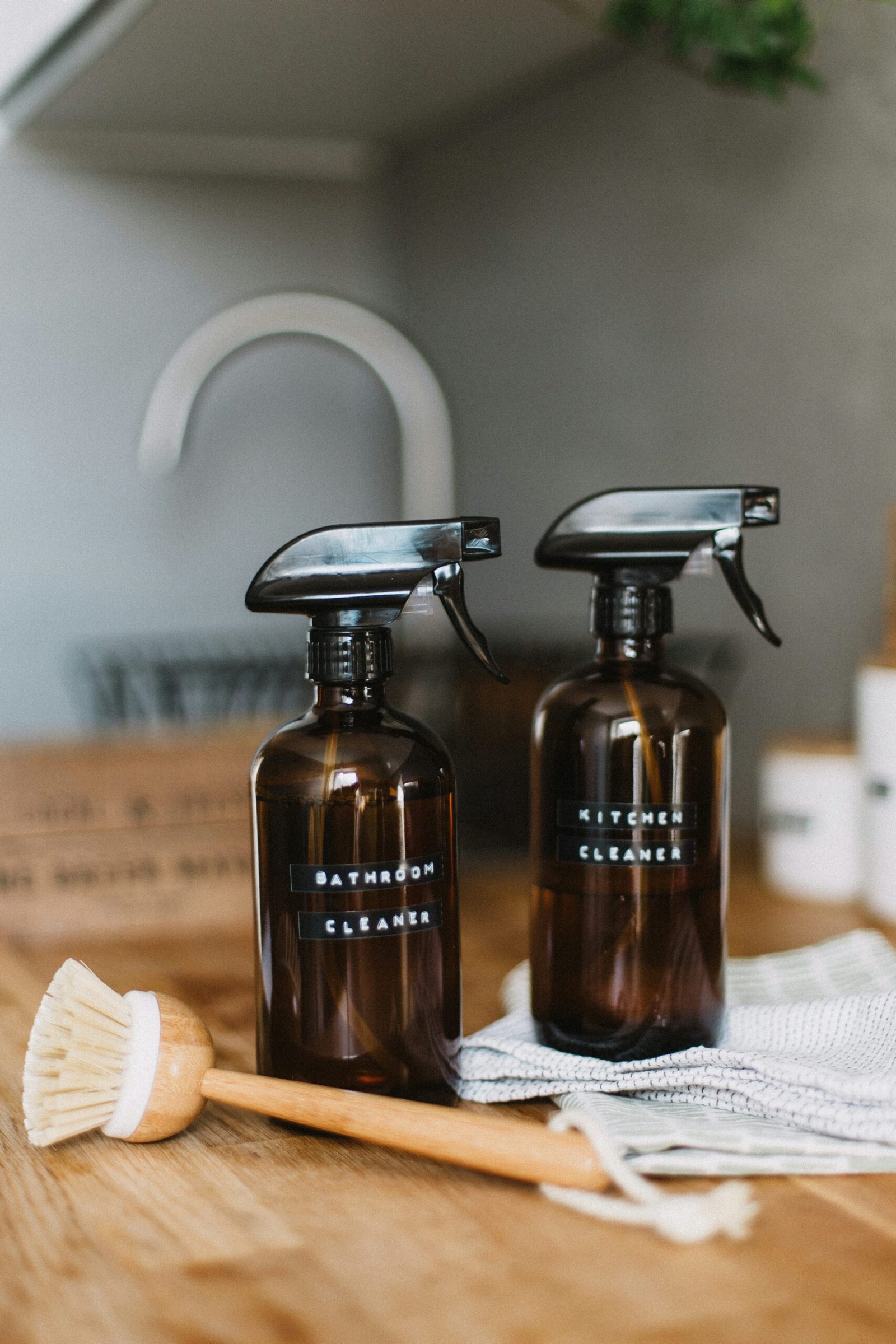
    Label every container

    Clearly label any spray bottle or bucket with the product name and dilution. Never store chemicals in food or drink containers.

    Store with care

    Keep chemicals in a cool, dry, well-ventilated place away from direct sunlight, and store acids and alkalis separately. Keep safety data sheets close to hand for your team.

  • Cleaning, Sanitizing and Disinfecting: What Is the Difference?

    Cleaning, Sanitizing and Disinfecting: What Is the Difference?

    Cleaning, sanitizing and disinfecting are related but not the same, and using the right one saves time and product.

    Cleaning

    Cleaning removes visible dirt, dust and grease from a surface. It is always the first step, because soil can reduce the effectiveness of sanitizers and disinfectants.

    Sanitizing

    Sanitizing lowers the number of germs on a surface to a safer level. It is commonly used on food-contact surfaces and in kitchens.

    Disinfecting

    Disinfecting uses a registered product applied for the full contact time on the label. It is used in healthcare settings, washrooms and other high-touch areas.

  • How to Choose the Right Cleaning Chemical for Every Surface

    How to Choose the Right Cleaning Chemical for Every Surface

    Using the wrong cleaner is one of the most common reasons surfaces look dull, streaky or damaged. A simple rule of thumb is to match the product to both the surface and the type of soil.

    Start with the soil

    Grease and oil respond best to alkaline degreasers. Limescale and soap scum need an acidic descaler. Everyday dust and light soil can usually be handled with a neutral all-purpose cleaner.

    Check the surface

    Natural stone, polished metal and sealed wood can all be damaged by strong acids or alkalis. Always read the label and test in a small, hidden area first.

    Follow the label

    Use the recommended dilution and contact time, and never mix different chemicals together. If you are unsure which product suits your site, contact our team for guidance.